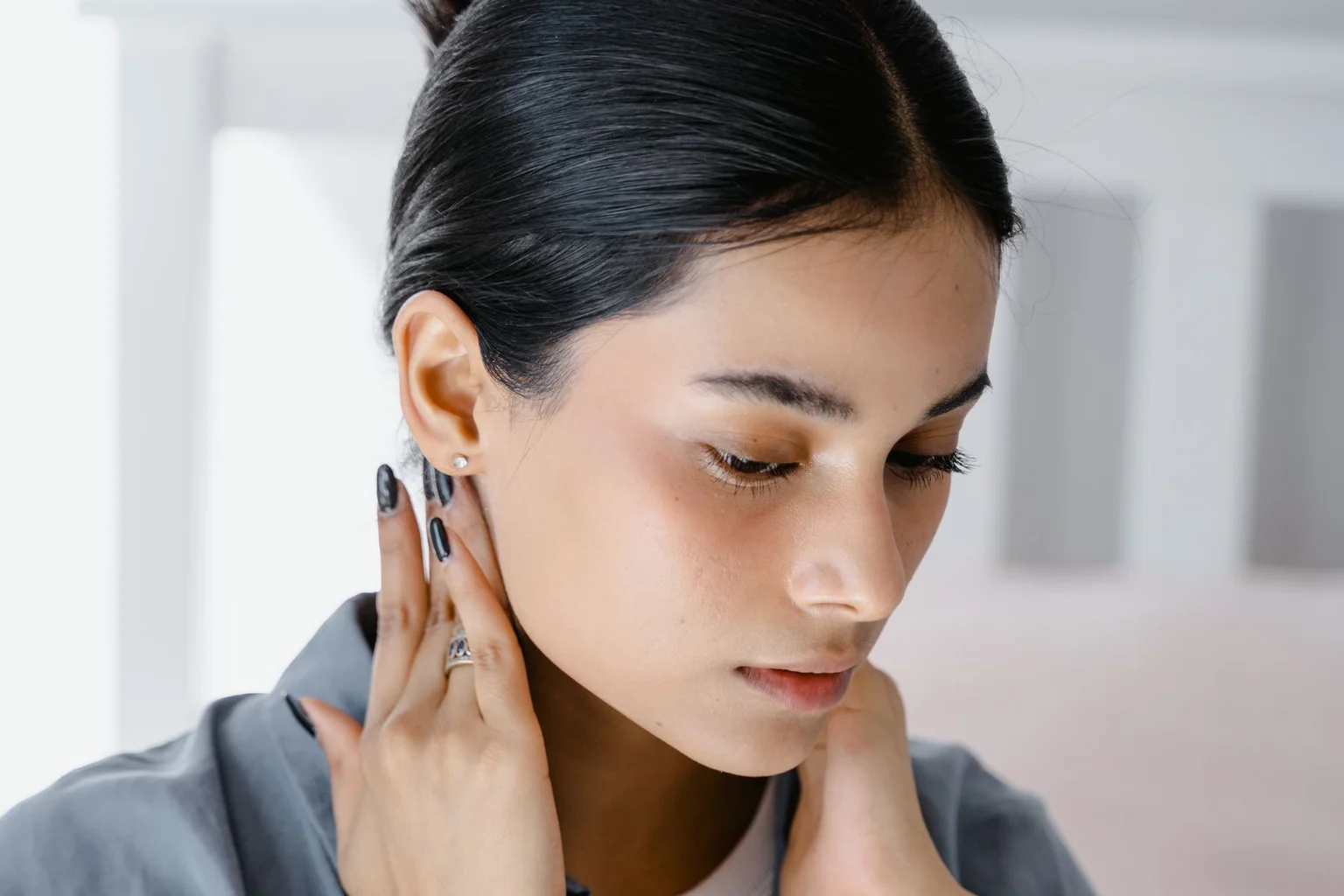
Mild neck tension can follow prolonged screen use, stress or an awkward sleeping position, but neck pain has many possible causes. Self-massage is a comfort measure, not a way to diagnose or treat an injury or neurologic problem.
This guide summarizes conservative public-health and clinical self-care advice. It is not based on an Ubestchoices treatment trial and is not personalized medical care. If symptoms are severe, unusual, follow trauma or include weakness, numbness, balance changes, fever, severe headache or loss of bladder or bowel control, seek urgent medical assessment.
Quick picks
| Approach | Best for | Key feature | Price tier |
|---|---|---|---|
| Gentle fingertip pressure to the upper shoulderStart here | Mild muscular tension away from the front of the neck | Short, comfortable pressure with full control | Budget |
| Warmth or cold used cautiouslyFor short comfort sessions | People who already know which temperature feels helpful | Wrapped pack for limited time | Budget |
| Gentle comfortable movement and posture breaksFor desk-related stiffness | Mild stiffness without warning signs | Frequent small movements instead of forceful stretching | Budget |
| Professional assessment when symptoms persistBest next step when uncertain | Ongoing, recurrent or function-limiting symptoms | Individual history and physical assessment | Mid-range |
Low-risk self-care approaches
Start here
Gentle fingertip pressure to the upper shoulder
Using the opposite hand on the upper trapezius and back-of-neck muscles gives immediate control over force. The goal is comfort, not pushing through pain or finding a dramatic trigger point.
Key specifications
- Sit supported with shoulders relaxed
- Use fingertips or the flat of the fingers
- Limit pressure to a comfortable level
Pros
- No equipment
- Easy to stop instantly
- Can target a small tense area
Cons
- Not appropriate after injury
- Hard pressure can worsen symptoms
- Does not address an underlying condition
For short comfort sessions
Warmth or cold used cautiously
NHS guidance lists wrapped heat or cold packs as options people may find helpful. Temperature choice is personal; the safety priorities are a barrier, limited exposure and intact skin sensation.
Key specifications
- Wrap the pack in fabric
- Use for a limited session
- Check skin frequently
Pros
- Simple
- Can relax or soothe for some people
- Combines with rest from aggravating activity
Cons
- Can burn or injure skin
- Not suitable with impaired sensation or circulation
- Relief may be temporary
For desk-related stiffness
Gentle comfortable movement and posture breaks
Long static postures can contribute to discomfort. Brief changes of position and gentle movement within a comfortable range may be more useful than one aggressive stretch or trying to hold “perfect” posture all day.
Key specifications
- Move only within a comfortable range
- Use short frequent breaks
- Adjust screen and input-device position
Pros
- No equipment
- Addresses prolonged stillness
- Easy to integrate into work
Cons
- Not a treatment for injury
- Forceful stretching can aggravate pain
- Requires consistent habits
Best next step when uncertain
Professional assessment when symptoms persist
A clinician can screen for causes that a self-massage guide cannot evaluate and recommend appropriate treatment, movement or referral. Earlier assessment is important when pain follows trauma or has neurologic or systemic symptoms.
Key specifications
- Primary-care, urgent-care or appropriate rehabilitation assessment
- Review of onset and warning signs
- Individual guidance based on findings
Pros
- Can identify when self-care is inappropriate
- Personalized plan
- Access to referral and diagnostic evaluation
Cons
- Cost and access vary
- May require multiple visits
- No single treatment fits every cause
How we evaluated
We selected only low-force self-care approaches consistent with public medical guidance and made the stop conditions explicit. We excluded devices, forceful manipulation and claims that self-massage corrects alignment or treats disease.
Because this is health information, the decision framework prioritizes contraindications and escalation. Individual diagnosis, medication advice and post-injury treatment are outside this page.
Buying guide
Screen for warning signs first
Do not massage after significant trauma or when pain comes with neurologic symptoms, fever, severe headache, chest symptoms or major functional change.
Use comfortable pressure only
Pressure should not create sharp pain, tingling, dizziness or symptoms traveling into the arm.
Stay on muscle, not vulnerable structures
Avoid the throat, front and sides of the neck, direct pressure on the spine, swollen areas and damaged skin.
Keep the session brief
A few gentle minutes followed by reassessment is safer than prolonged force on one spot.
Know when to stop self-care
Persistent, worsening, recurrent or function-limiting pain deserves professional assessment even without an emergency sign.
FAQ
Can I massage a knot until it releases?
Do not chase pain with increasing force. A tender area may not be a simple “knot,” and bruising or irritation can make symptoms worse.
Should I use a massage gun on my neck?
Avoid the front and sides of the neck and do not use a percussive device on the cervical spine. Ask a qualified clinician about safe use for your specific situation.
Is heat or ice better?
Either may provide short-term comfort for some people. Use a cloth barrier, limited time and frequent skin checks, and avoid both when sensation is impaired.
When should neck pain be checked?
Seek urgent care for warning signs or significant trauma. Arrange routine assessment for persistent, recurrent or worsening pain or symptoms that limit normal activity.
What we would prioritize
For mild tension without warning signs, begin with gentle upper-shoulder pressure, short movement breaks and cautious temperature comfort. Stop for any worsening or neurologic symptom, and use professional assessment instead of stronger self-treatment when symptoms persist.
Sources and verification
Product availability was checked on . Manufacturer pages remain the final reference because specifications and compatibility can change.
- NHS — neck pain and stiff neck — Self-care, heat and cold, and reasons to seek help.
- Mayo Clinic — neck pain — Symptoms, causes and when medical evaluation matters.